


Category: Fab Shop Tips
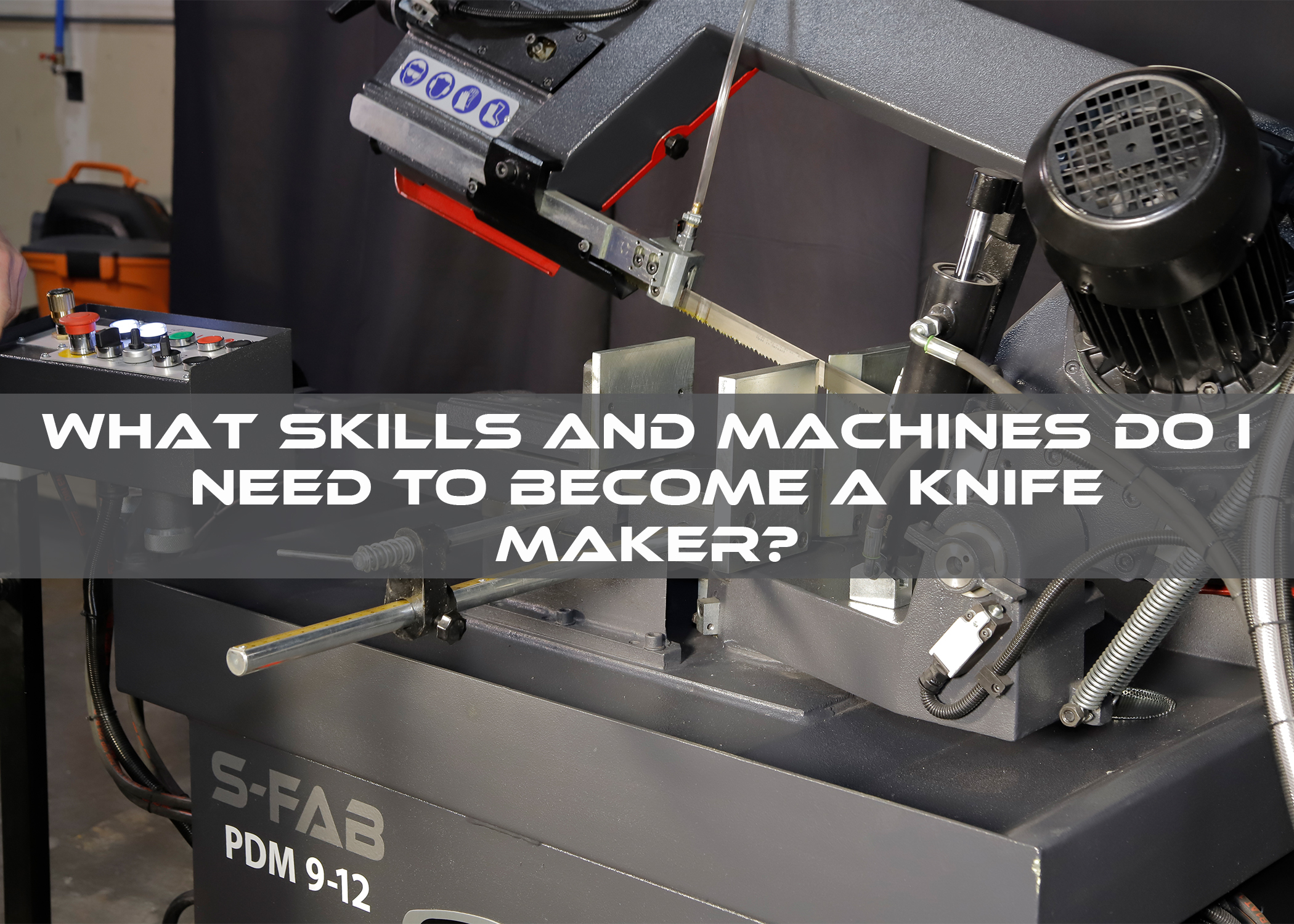
What Skills and Machines Do I Need to Become a Knife Maker?
There is a primal satisfaction in holding a tool that you have crafted with your own hands, and few tools are as universally recognized or respected as a well-made knife. In recent years, the craft of knife making has seen a massive resurgence, with many knife makers taking up the hobby. However, the journey from admiring custom knives to personally producing one is paved with a steep learning curve, a fair amount of steel dust, and the realization that a knife is much more than just a sharpened piece of metal.
Bridging the Living Wage Gap in Metal Fabrication
As the skilled trades shortage deepens, industry projections warn that unfilled positions across manufacturing and infrastructure could risk up to $1 trillion in annual economic losses by 2030. For decades, the collective response from the manufacturing sector has been to treat this as a cultural or educational marketing problem. Companies launch nationwide awareness campaigns, sponsor high school shop class tours, and build robust regional apprenticeship pipelines.
Advice from Fabricators on Starting Out
Recently in the Metal Fabrication Tips social media group, a member asked for feedback from other fabricators: “I’m starting my first fabrication shop job this summer—what are the main skills and things I should focus on learning?”