

As a metal fabricator, you likely know how to cut, punch, bend, roll, and weld metal with the best of them, but chances are you have a hand drill or small drill press in your shop for the occasional odd job that requires a precise hole. With any metalworking technique, it’s advisable to master the ones you don’t use as often, just as you would the ones you use daily.
Drilling metal can feel intimidating. Unlike wood, which yields willingly to almost any sharp edge, metal pushes back. It generates intense heat, dulls improper tools in seconds, and can unpredictably snag your bit. But armed with the right knowledge, drilling metal becomes a predictable process.
The secret lies in a careful choreography: selecting the correct drill bit, understanding your specific metal, and applying the exact combination of speed, pressure, and lubrication. The following covers everything you need to know to drill metal cleanly and accurately.
Choosing the Right Drill Bit
A common beginner mistake is grabbing whatever bit is currently chucked in their tool. Wood bits will instantly ruin themselves against steel. You need engineered metalworking bits.
- High-Speed Steel (HSS). This is your standard metal drill bit. HSS bits are affordable, versatile, and easily sharpened. They are perfectly adequate for softer metals like aluminum or thin mild steel. However, under high heat or abrasive materials, they quickly lose their temper and dull.
- Titanium-Coated. Recognized by their gold color, these are HSS bits coated with titanium nitride (TiN). This coating reduces friction, allowing the bit to run cooler and last up to six times longer than standard HSS. They excel in repetitive mild steel drilling. The drawback: once dull, sharpening removes the protective coating.
- Cobalt. For hard metals like stainless steel or cast iron, cobalt bits are non-negotiable. Made from a steel alloy containing 5-8% cobalt, they are incredibly hard and heat-resistant. They power through tough materials without losing their edge and can be repeatedly sharpened.
- Step Bits (Unibits). When working with thin sheet metal, standard twist bits catch the hole’s edge, tearing the metal. Step bits feature a conical shape with stepped diameters, drilling perfectly round holes in sheet metal while automatically deburring the top edge.
Understanding Your Metal
Not all metals behave the same under a cutting tool. Adjusting your approach based on material properties is crucial.
- Soft Metals (Aluminum, Brass, Copper). Because they are physically soft, people assume they are effortless to drill. However, soft metals are notoriously “gummy.” Metal shavings can easily weld themselves to the flutes, clogging the drill bit. Aluminum also grabs the bit violently as it breaks through the bottom of the cut. When drilling soft metals, clear the flutes frequently.
- Mild Steel. A common metal found in a high percentage of fabrication projects. It is relatively forgiving—a standard HSS or titanium bit, at moderate speed and steady pressure while using cutting fluid, will consistently yield clean results.
- Hard Metals (Stainless Steel, Cast Iron). Stainless steel is notorious for “work-hardening.” If your bit rubs the metal without actively cutting into it, friction heat instantly hardens the steel’s surface, making it nearly impossible to drill through. To conquer stainless, use a sharp cobalt bit, extremely slow RPMs, and heavy, relentless pressure so the bit constantly bites fresh metal.
Principles of Drilling Metal
Regardless of the bit or metal you are working with, follow these foundational rules:
- Center Punch Your Mark. Metal is slippery. If you press a spinning bit against a flat steel sheet, it will “walk” away from your mark, scratching the surface and ruining your alignment. Always use a center punch and a heavy hammer to create a small dimple exactly where you want the hole. The bit’s tip will seat into this dimple, firmly anchoring it as you begin to drill.
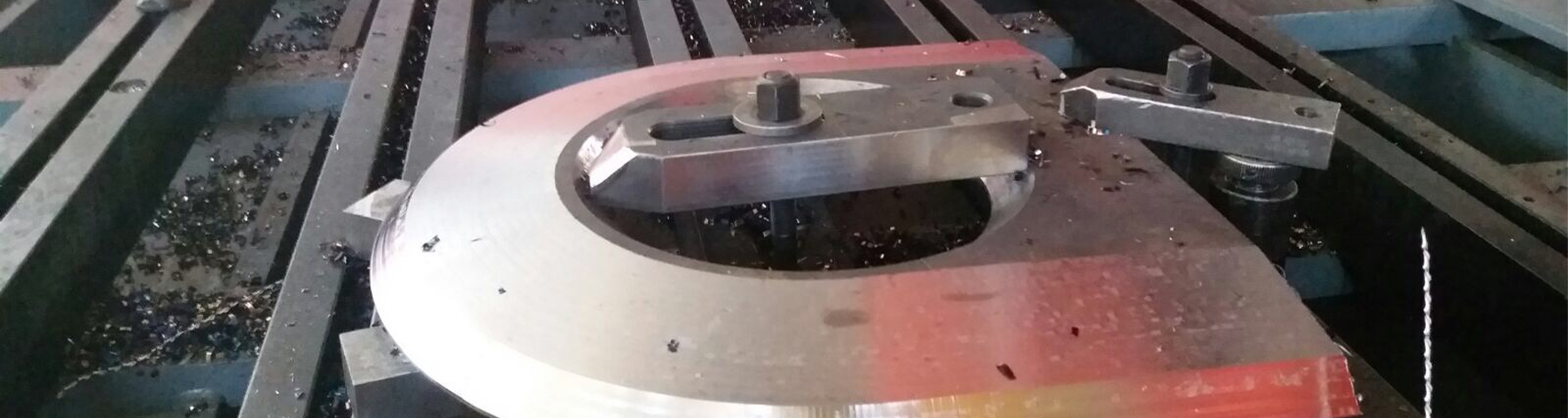
- Clamp Everything Securely. Never, under any circumstances, hold a piece of metal in your hand while drilling it. When the bit breaks through the other side, the flutes can easily catch the material. If the metal is not securely clamped to a workbench or drill press, the drill will violently spin the metal, creating a severe laceration hazard. Vise-Grips and C-clamps are essential.
- Lubricate Generously. Friction is the enemy. Heat destroys the temper of your drill bit. Use dedicated cutting fluid, heavy cutting oil, or even standard motor oil in a pinch. The fluid acts as a coolant and lubricant, carrying away metal chips and prolonging bit life exponentially. The only major exception is cast iron, which is exceptionally brittle and should be drilled dry.
- Master Speed and Pressure. The golden rule for drilling metal is slow speed, high pressure. Beginners tend to run their drills far too fast. High speeds generate immense heat but do very little actual cutting. Pull the trigger slowly. You want the bit to carve out long, continuous spiral shavings of metal, not tiny, dusty chips.
Navigating Tricky Drilling Situations
Even with the basics mastered, you will inevitably encounter scenarios requiring specialized tactics, such as the following:
- Drilling on Curves (Pipes and Tubes). Starting a hole on a round surface is incredibly frustrating because the bit instinctively slides down the curve. The solution requires aggressive center punching. Use a hand file to create a tiny flat spot exactly where your hole will go, then hit it with a heavy center punch. Alternatively, clamp a scrap piece of wood securely over the pipe and drill through the wood first; the wood acts as a rigid guide block to keep the bit perfectly steady as it bites into the curved metal.
- Enlarging an Existing Hole. Stepping up to a larger bit to widen an existing hole often causes the new bit to bind, chatter violently, and create an ugly, non-circular opening. This happens because the large bit’s center chisel edge has no solid material to bite into. To enlarge a hole smoothly in thin material, use a step bit. For thicker material, firmly clamp the piece in a drill press, run the machine at the absolute lowest RPM, and feed the bit down very slowly and steadily to prevent catching.
You Know the Drill
Drilling metal safely and effectively doesn’t require decades of machining experience—it simply demands respect for the material and a methodical approach. Take your time, let the tools do the work, and you will find that you can drill metal every bit as effectively as any other metalworking process you have mastered.


