

Metal fabrication is an inherently asset-heavy industry. The machines anchoring your shop floor—from precision fiber lasers and multi-axis CNC milling centers to heavy-duty hydraulic press brakes and robotic welding cells—represent a massive capital investment.
But do you really know what they are worth today?
Not what you originally paid for them.
Not their depreciated value on your accountant’s tax spreadsheet.
But their true, real-world market value?
Understanding equipment appraisals is not just an administrative chore reserved for accountants; it is a critical strategic tool for any metal fabrication business owner or manager. Whether you are looking to expand operations, secure a commercial loan, properly insure your assets, or prepare for a business acquisition, an accurate equipment appraisal is the foundation of sound financial decision-making.
The Unique Nature of Metal Fabrication Assets
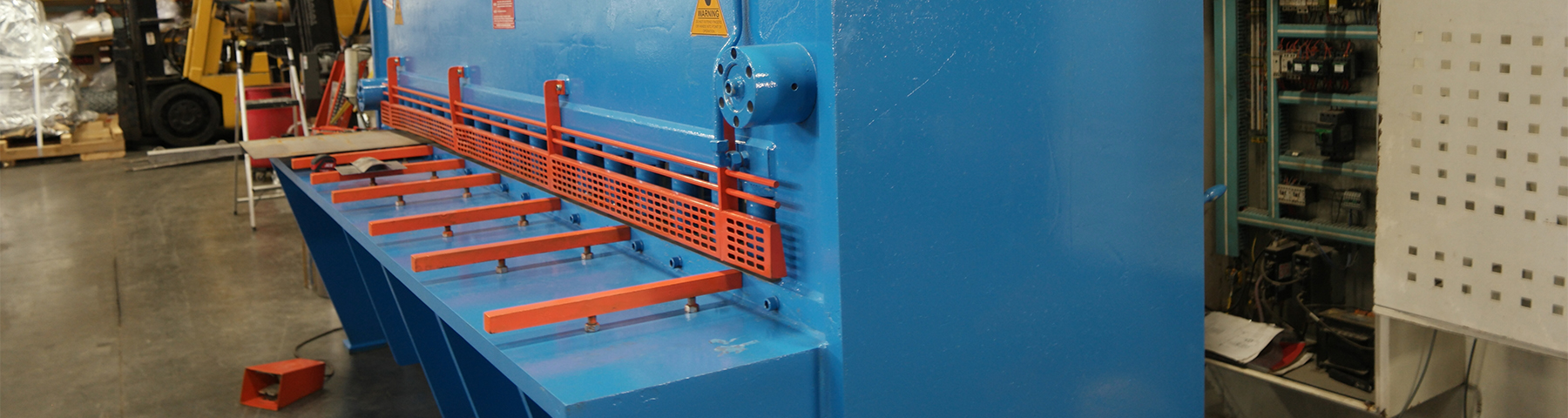
Machinery in the metal fabrication sector does not age like standard office equipment or light commercial goods. A well-maintained mechanical shear or heavy stamping press from the 1980s might still hold significant value and daily utility, whereas a ten-year-old CNC machine with an unsupported, outdated control system might be practically worthless to a modern high-production shop.
This dichotomy highlights why standard straight-line accounting depreciation rarely reflects reality. Certified appraisers looking at metal fabrication equipment must balance several unique industry factors.
Technological obsolescence is a primary driver of depreciation. As high-wattage solid-state fiber lasers replace older CO2 lasers, and as automated material handling towers become the new standard, older manual or less efficient machines see a sharp decline in secondary market value. Conversely, durability and “heavy iron” play an equally critical role. Equipment like large roll formers, ironworkers, and mechanical presses have incredibly long physical lifespans. A specialized appraiser understands these nuances, evaluating not just the physical wear and tear on the machine, but its ongoing relevance and capability in the current manufacturing landscape.
Key Triggers: Why Do You Need an Equipment Appraisal?
Fabricators typically do not order an equipment appraisal merely out of curiosity. The process is usually triggered by specific, high-stakes business events:
- Financing and asset-based lending. If you want to leverage your existing machinery to buy new equipment, weather a slow season, or fund a facility expansion, banks will require a formal equipment appraisal. Lenders need to determine the exact value of the collateral to understand what they can recover in the event of a default.
- Mergers and acquisitions (M&A). Whether you are acquiring a regional competitor or preparing to sell your shop to a private equity firm, equipment is often the largest tangible line item on the balance sheet. An independent, certified equipment appraisal ensures both parties are negotiating based on objective, defensible data rather than gut feelings.
- Insurance coverage. Are you over-insured and paying too much in monthly premiums, or are you under-insured and risking a catastrophic financial loss in the event of a fire or natural disaster? Equipment appraisals determine the exact replacement cost of your assets, ensuring your coverage is perfectly calibrated.
- Partnership buyouts and tax reporting. When a business partner exits the company, or when transferring ownership to the next generation, a formal equipment appraisal sets a legally sound baseline for the transaction, preventing disputes and satisfying IRS requirements.
Understanding the “Flavors” of Valuations
Not all equipment values are created equal. The underlying reason you are getting the equipment appraisal will dictate the specific concept of value the appraiser utilizes. As a fabricator, you must understand the difference between these metrics:
- Fair Market Value (FMV). This is the price at which the equipment would change hands between a willing buyer and a willing seller, neither being under any compulsion to buy or sell, and both having reasonable knowledge of relevant facts. This is the standard metric used for M&A and business valuations.
- Fair Market Value — Installed (FMV-I). This adds the soft costs of installation, wiring, foundation work, and commissioning. Moving and installing a 300-ton press brake is an expensive endeavor; FMV-I reflects its higher value as a fully operational, turnkey unit on your floor.
- Orderly Liquidation Value (OLV). This is an estimate of the gross amount that could be realized from a negotiated, orderly sale, given a reasonable amount of time (typically 6 to 12 months) to find a proper buyer. Asset-based lenders heavily rely on this metric.
- Forced Liquidation Value (FLV). The value realized if the equipment must be sold immediately, typically at a public auction. This is the lowest tier of value and represents the absolute worst-case scenario for a lender.
The Equipment Appraisal Process: What to Expect
The process begins with selecting a qualified appraiser. It is highly recommended to look for professionals holding credentials from recognized industry bodies, such as the American Society of Appraisers (ASA) or the Association of Machinery and Equipment Appraisers (AMEA). These certifications guarantee adherence to the Uniform Standards of Professional Appraisal Practice (USPAP).
An equipment appraisal can be a “desktop” review—where the appraiser relies solely on spreadsheets, maintenance logs, and photos you provide—or a full physical inspection. For high-value metal fabrication shops, a physical site inspection is paramount. The appraiser will walk your shop floor, documenting the make, model, serial numbers, hour meters, and physical condition of every asset.
How to Maximize Your Equipment’s Appraised Value
While you cannot control the secondary market for used machinery, you can directly influence how your equipment is perceived during an inspection:
- Maintain impeccable records. Machines with documented, rigorous preventative maintenance schedules appraise significantly higher than those with no history. Prove to the appraiser that you have meticulously cared for the asset.
- Keep tooling organized. In metal fabrication, the tooling can sometimes rival the value of the machine itself. Keep punches, dies, press brake segments, laser lenses, and specific rotary accessories organized and clearly associated with their parent machines.
- Highlight upgrades. If you have retrofitted an older plasma table with a modern CNC control system or upgraded a machine’s safety light curtains, make sure the appraiser knows. Software and control retrofits breathe new life—and higher value—into older heavy iron.
- Prioritize housekeeping. It sounds trivial, but a clean, well-lit shop floor projects an image of operational excellence. A machine covered in grinding dust and surrounded by disorganized scrap looks like a neglected liability, even if it runs flawlessly.
The True Worth of Your Shop
Your equipment is the lifeblood of your metal fabrication business. Relying on outdated accounting ledgers or sheer guesswork to determine its value is a financial risk you simply cannot afford to take. By understanding the intricacies of equipment appraisals—from the specific valuation definitions to the vital importance of maintenance documentation—you position your company to make smarter financing decisions, negotiate stronger deals, and protect your hard-earned equity.
Treat the financial value of your equipment with the same exact precision you apply to your metalwork, and your business will be built on a rock-solid foundation.


