

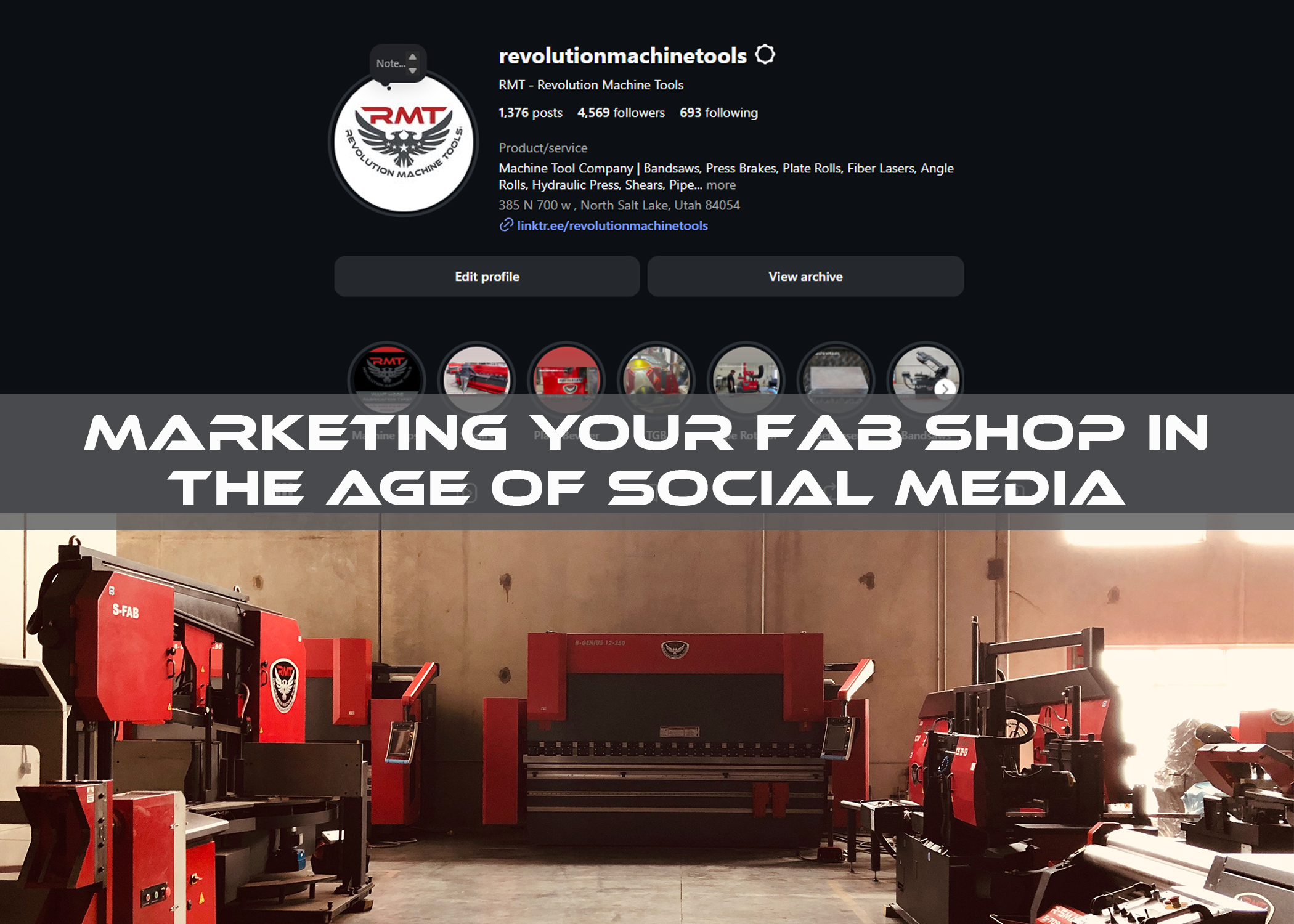
For decades, the metal fabrication industry relied on a tried-and-true marketing playbook: word-of-mouth, the Yellow Pages, trade shows, and perhaps a spot in a local industrial directory. Quality work spoke for itself, and relationships were forged over handshakes on the shop floor. While those relationships remain the bedrock of B2B commerce, the modern landscape has shifted dramatically. Today’s procurement managers, engineers, and general contractors are digital experts who begin their search for fabrication partners on Google, LinkedIn, and even Instagram.
If your shop’s digital presence consists solely of a dusty webpage from 2010, you are leaving money on the table. In the modern world, marketing a metal fabrication shop requires stepping out of the industrial park and into the digital space. Specifically, it requires harnessing the raw, visual power of social media and online video.
Why Video is Your Sharpest Tool
Metal fabrication is inherently cinematic. There is an undeniable, primal appeal to seeing sparks fly, lasers slice effortlessly through thick steel plates, and glowing welds pool together. It is an industry built on physical transformation, and that transformation makes for incredibly compelling digital content.
For modern marketing, video is no longer optional; it is the cornerstone of establishing trust. When potential clients are evaluating a shop, they want to know about your capabilities, your equipment, and your attention to detail. Reading a list of machinery—like a “5-axis CNC” or “fiber laser”—is informative, but watching a high-definition video of that machinery in action proves your competence. Online videos bridge the gap between a marketing promise and shop-floor reality.
Moreover, algorithms on every major platform—from TikTok and Instagram Reels to LinkedIn and YouTube—heavily favor video content over static text or images. A well-shot, fifteen-second time-lapse of a complex welding job has the potential to reach tens of thousands of viewers organically. Video allows you to bypass traditional, expensive advertising barriers, putting your shop floor directly onto the screens of decision-makers worldwide.
Selecting the Right Social Media Platforms
You don’t need to be everywhere on the internet, but you do need to be where your target audience spends their time. A strategic approach to platform selection will save time and maximize your return on investment.
- LinkedIn. This is the most critical platform for B2B metal fabrication. Your audience here consists of engineers, supply chain managers, and CEOs. Use LinkedIn to share longer-form videos explaining your processes, case studies of how you solved complex engineering problems for clients, and updates on new equipment acquisitions. The tone should be professional, problem-solving, and authoritative.
- Instagram and TikTok. Do not underestimate these platforms. While they may seem consumer-focused, they are incredible brand-building tools. The highly visual nature of metalworking performs exceptionally well here. Use short-form video to highlight the mesmerizing qualities of fabrication: the hum of a lathe, the precise movement of a robotic welder, or the satisfying peel of protective film off polished stainless steel.
- YouTube. Think of YouTube as the ultimate visual repository for your brand’s capabilities. Here, you should host longer, detailed videos. Virtual facility tours, deep dives into your quality assurance processes, and educational content about different metal alloys establish your shop as an industry thought leader.
Content Strategies That Convert
Having a camera is not enough; you need a content strategy that resonates. Here are the best practices for generating content that converts casual viewers into paying clients:
- Show the Before, During, and After. People love a journey. Start by showing a stack of raw materials or a complex CAD drawing. Transition to dynamic shots of the fabrication process—cutting, bending, and welding. Finally, reveal the polished, finished product. This narrative structure highlights your capability to turn raw potential into tangible solutions, giving clients confidence in your end-to-end process.
- Highlight Your Team. Automation and machinery are impressive, but human expertise is what ultimately closes the deal. Feature your lead welders, your CAD designers, and your quality control inspectors. Short interview clips where they discuss their passion for the craft or their commitment to precision help humanize your brand. People do business with people they trust, and seeing the faces behind the welding masks builds that crucial trust.
- Educate Your Audience. Position your shop as an expert resource. Create videos explaining the differences between TIG and MIG welding, the benefits of powder coating versus anodizing, or how to design parts for manufacturability (DFM) to save costs. When an engineer learns something valuable from your content, they are far more likely to send their next Request for Quote (RFQ) your way.
- Embrace the Behind the Scenes. Authenticity wins on social media. You don’t need a Hollywood production crew to succeed. Pull out a smartphone and record an off-the-cuff walkthrough of a challenging project the team just conquered. Show the messy reality, the problem-solving, and the hard work. Highly polished ads can feel artificial; authenticity builds a loyal following.
Engagement and Community Building
Marketing is not a one-way broadcast. Social media is, by definition, social. If someone takes the time to comment on a video of your press brake in action, reply to them. Answer questions about your feeds and speeds, acknowledge compliments, and participate in industry groups.
Engaging with your audience builds a community. In the manufacturing world, there is a massive subculture of makers, machinists, and fabricators who love to “talk shop.” By becoming an active participant in this community, you elevate your brand’s visibility. Furthermore, when potential clients see that you are responsive and engaged online, they implicitly assume you will be just as responsive and engaged when handling their contracts.
The Face of Future Fabricators
The metal fabrication shops that will thrive in the next decade are those that realize their digital presence is just as important as their physical shop floor. The modern buyer is visual, digital-first, and highly informed. By embracing social media and committing to a robust online video strategy, you are doing more than just marketing; you are opening the bay doors of your shop to the entire world.
Start small. Clean off a workbench, set up a smartphone on a tripod, and film the next job that comes through the door. Let the sparks fly, let the machinery sing, and let the internet see the incredible work your shop does every single day. The leads, the contracts, and the growth will inevitably follow.


